Choose a Pigeon Forge base by imagining the ordinary parts of your trip. Where will you start the morning? Will anyone want to return between outings? What will the journey back feel like after an evening activity? Those questions often tell you more than a long amenity list.
The right accommodation supports the way your group intends to spend its time. A place you mostly use for sleeping needs to solve different problems from one where you plan to cook, gather or spend a quieter afternoon. Begin with those habits, then compare the properties that fit them.

The Escape Game Pigeon Forge: 60-Minute Adventures on The Island
Our Pigeon Forge location is on the Island in Pigeon Forge, right by shopping, dining, and entertainment options. Popular local food stops include Tim...

Rocky Top Mountain Coaster Admission Ticket in Pigeon Forge
Experience the excitement of the Rocky Top Mountain Coaster—the longest mountain coaster in East Tennessee and the...

Great Big Game Show Pigeon Forge Immersive Experience and Set
Get ready for an experience so immersive that you will leave feeling like a game show legend! Every 60-minute game s...

Smoky Mountains Newfound Gap Jeep Tour
This jeep tour will combine stunning views and a fun 3-hour experience. Starting in Pigeon Forge, you will head up o...
Map the trips you expect to make repeatedly
Put your main activities on a map before choosing a room. Mark the actual entrances, your likely meal stops and any place you expect to visit more than once. Look for a base that makes those repeated journeys straightforward, rather than one that happens to sit closest to a single attraction.
Keep the neighboring destinations distinct. The National Park Service’s driving directions place Sevierville and Pigeon Forge along the approach to the Gatlinburg park entrance and describe a separate approach through Townsend. A regional address or a “Smoky Mountains” description does not establish that a property is in Pigeon Forge.
For a rental, make sure you understand the property’s location rather than only the management company’s office address. If the exact address is not provided before booking, request enough location and access information to judge the journey. Choose with the drive in mind, including the trip back after dark.
Consider what a Parkway-area base would do for you
The official destination’s lodging directory includes hotels, motels, cabins, condos, campgrounds and resorts in and around Pigeon Forge. Use its categories to build a shortlist, then examine the actual property and location. The label tells you the accommodation type, not whether its surroundings will suit your group.
A Parkway-area address is worth considering when your chosen activities are spread along the main corridor. Check which side of the road the entrance is on and how you will make the journeys you expect to repeat. If walking matters, inspect crossings and the entire pedestrian route to a real destination, such as your preferred meal stop.
Room position matters too. Ask about the location of the room you would book, rather than assuming the view or surroundings in the most attractive photograph apply to every room. If quiet is important, discuss that need directly; neither a central location nor a river-facing photograph guarantees the sound environment you want.
Think about the river, Old Mill and The Island areas
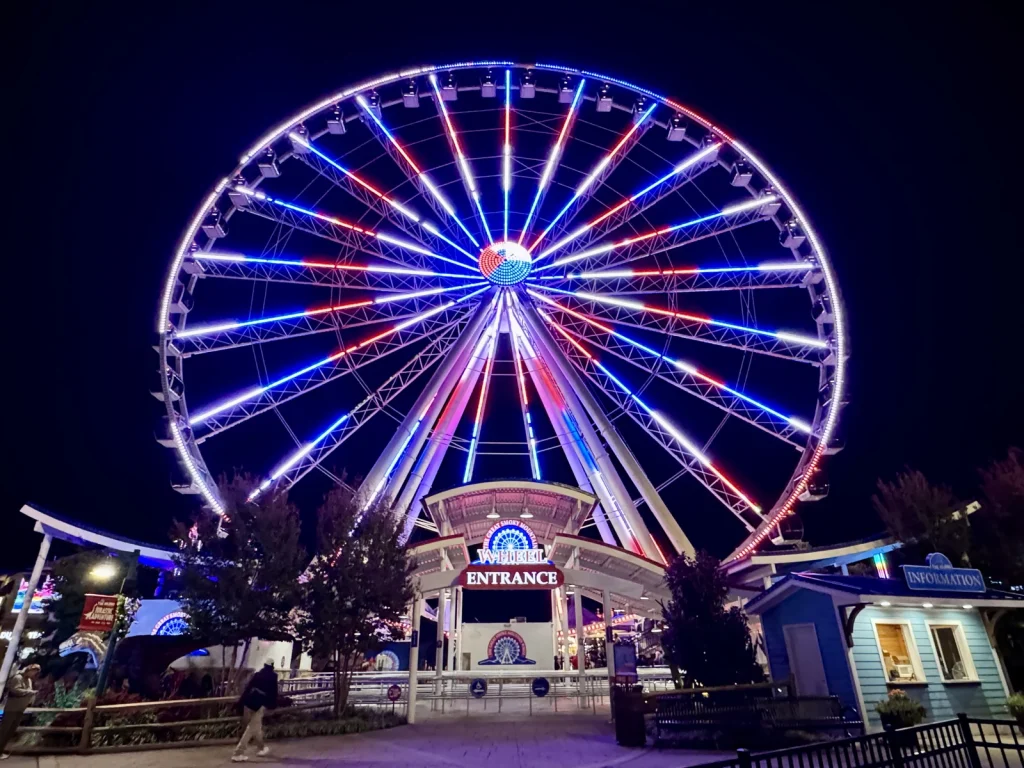
The official Riverwalk description connects the Old Mill side of town, the LeConte Center area, The Island and the Community Center. If you would like a short walk to be part of the trip, consider how a prospective property relates to a usable section of that route.
Do the same with your particular interests. A base near the Old Mill area may be worth investigating if you expect to return for meals or craft browsing. If The Island is central to your plans, check the route from the property to the part of the destination you intend to use. “Near” is a starting point for questions, not a complete description of access.
Remember that a lodging photograph showing water, a bridge or an attraction may describe the surrounding destination rather than a facility within the property. Read captions and amenity descriptions carefully. A view, a public walking route and a private guest space are three different things.
Choose a cabin for the way you will use it
The tourism department’s cabin directory presents a range of properties for different group sizes. Look beyond the maximum guest count. Work out who will sleep where, which spaces are private and whether the bathrooms and living areas suit the people traveling together.
A cabin can make sense when shared time at the accommodation is part of the trip. Picture a real morning or evening: people getting ready, cooking, eating and wanting different levels of noise. Check whether the layout supports that picture. A generous-looking lounge will not solve an unsuitable bedroom arrangement, and a large dining table has little value if the group plans to eat out every day.

Pigeon Forge: Country Tonite Show Admission Ticket
VOTED BEST SHOW in the Smokies Year after Year and recognized as the show you just can't miss in Pigeon Forge! Count...

Sevieville-Pigeon Forge-Smoky Mountain Dolly Tour
This is the ONLY tour that goes to the cabin on Locust Ridge, near where Dolly Parton was born—a rare glimpse into...

Illusionation Magic of Jason Hudy
Prepare to be amazed by “ILLUSIONATION! The Magic of Jason Hudy,” Pigeon Forge's "must-see magic" show! Located...
Ask about the approach and arrival
Request information about the access road, driveway, parking and any steps between the vehicle and the main living area. These are questions to resolve for the specific property, not assumptions about all cabins. Check how arrival works, what instructions you receive and whom to contact if the directions or entry arrangement are unclear.
Be realistic about a return to town. If you expect frequent short outings, compare that pattern with a stay where you deliberately leave once and come back later. The same property can fit one pattern well and feel inconvenient for the other.
Confirm the amenities your group will actually use
Make a short list of requirements and a separate list of pleasant extras. Requirements might include a suitable sleeping arrangement, a particular access feature, space for a mobility device or the ability to prepare meals. Extras might be a view, a decorative feature or an activity you may never get around to using.
- Sleeping: check beds, room separation and the exact unit or room category.
- Access: establish the complete route from parking to sleeping, bathroom and shared spaces.
- Food: confirm what kitchen or food-storage facilities are actually supplied if you intend to use them.
- Recreation: check the availability, conditions and location of any amenity central to your decision.
- Practical arrangements: read parking, pet, check-in and cancellation terms for the booking you are considering.
For a campground, use the official campground listings as a starting point, then confirm that the specific site fits your vehicle or camping setup. Do not transfer an amenity description from one site type or accommodation category to another.
Decide how transport affects your shortlist
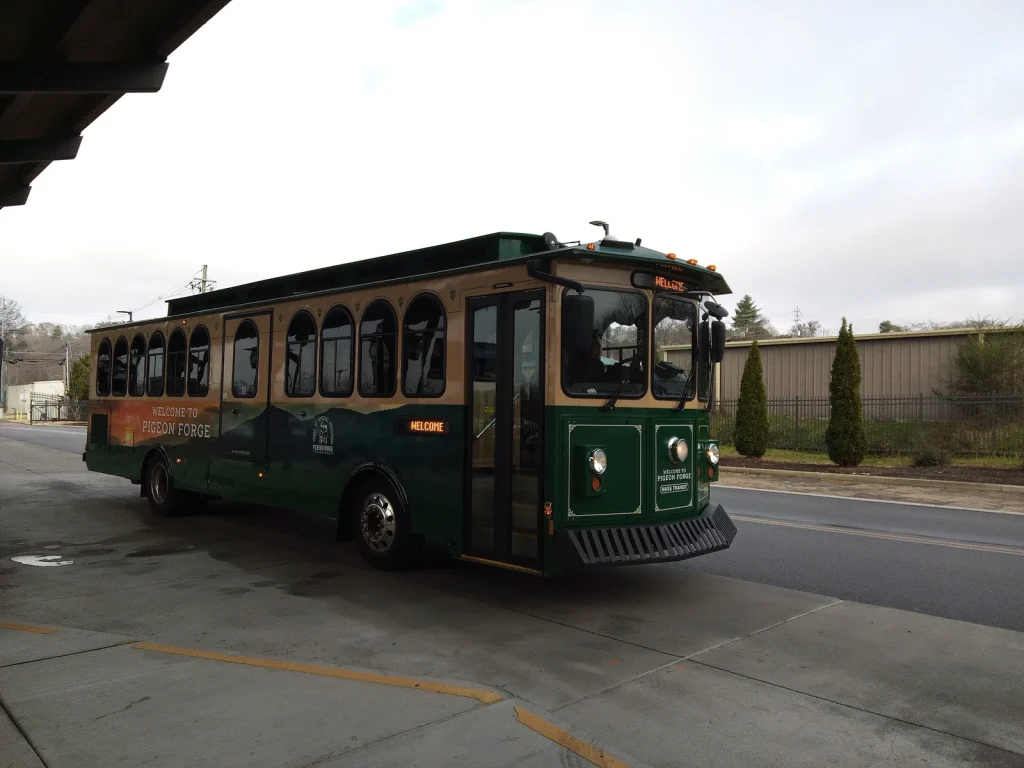
The official trolley guide shows the network organized around the station beside Patriot Park. If transit is part of your plan, check the route and designated stop serving your accommodation and destination. Include the walk to the stop and the return journey in the comparison.

Cash & The King: Tribute to Elvis and Johnny Cash
Experience “Cash and the King,” the top tribute show in Pigeon Forge celebrating Johnny Cash and Elvis Presley!...

Hollywood Wax Museum 4-Attraction All Access Pass in Pigeon Forge
Visit four attractions with exciting adventures for all ages with this All Access Pass. Just look for the Great Ape...

Hollywood Wax Museum Admission Ticket in Pigeon Forge
Nestled in the Smoky Mountains, you’ll have the chance to visit your favorite stars at the largest Hollywood Wax M...
The Escape Game Pigeon Forge: 60-Minute Adventures on The Island
Our Pigeon Forge location is on the Island in Pigeon Forge, right by shopping, dining, and entertainment options. Popular local food stops include Tim...
Rocky Top Mountain Coaster Admission Ticket in Pigeon Forge
Experience the excitement of the Rocky Top Mountain Coaster—the longest mountain coaster in East Tennessee and the...

Brian Hoffman's Remembering Red - A Tribute to Red Skelton
Enjoy a heartwarming show with clean, family-friendly comedy in Pigeon Forge. Come see Remembering Red – A Tribute...
Smoky Mountains Newfound Gap Jeep Tour
This jeep tour will combine stunning views and a fun 3-hour experience. Starting in Pigeon Forge, you will head up o...
Once two or three properties fit, compare their complete booking terms and the practical questions that remain unanswered. Our first-visit guide can help you settle the day plan; the other destination guides can narrow the areas you want to spend time in. Choose the base that makes that trip easier to live, not simply easier to describe.