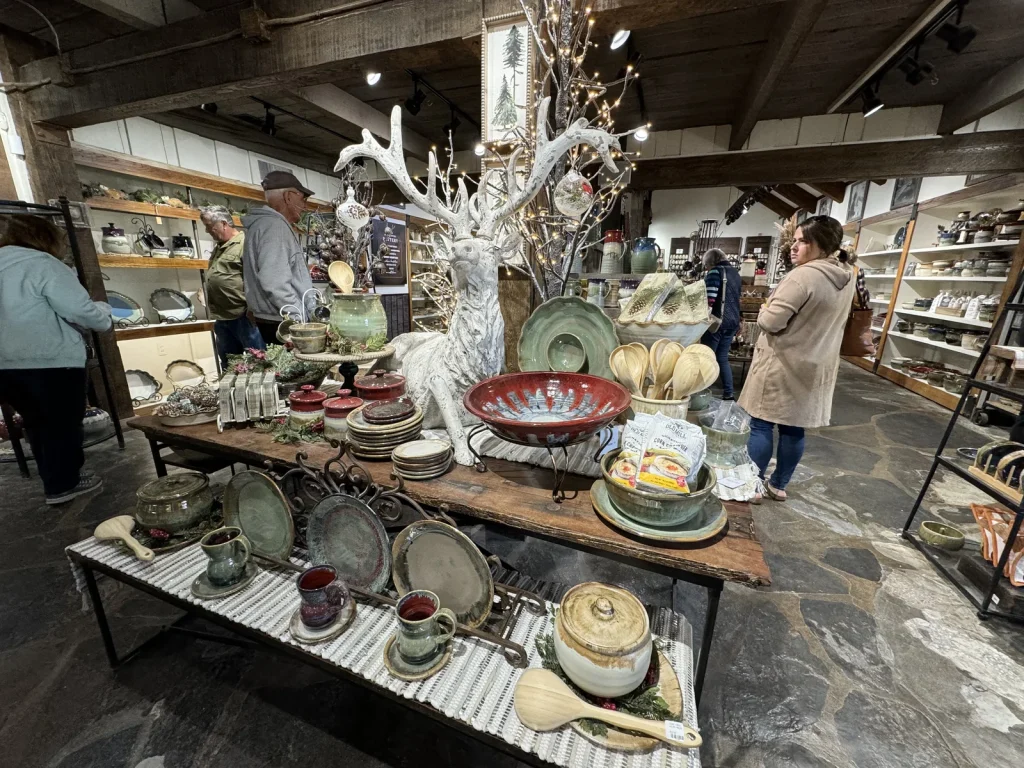
The Old Mill area rewards a closer look. The building and waterwheel may draw your eye first, but the visit can also be about the shape of a bowl, the way a glaze catches the light or the relationship between a working place and the businesses around it. Give yourself time to notice something rather than treating the whole district as one photograph.
For a useful, manageable outing, choose one main interest: the mill’s history, a meal or the pottery. Let the other stops support it. You can come away with a good sense of the area without eating in every place, buying something in every shop or trying to fit a demonstration into a schedule that has no spare room.

Fun Scavenger Hunt in Pigeon Forge by Wacky Walks
Wacky Walks in Pigeon Forge is a royal themed scavenger hunt done using an app on your phone! During the game you will hunt for items around the city...

Fun City Scavenger Hunt in Pigeon Forge by Operation City Quest
Explore Pigeon Forge with Operation City Quest! Our scavenger hunt takes you around the city to find items in any or...

Pigeon Forge Redneck Comedy Bus Tour
Climb on up to The Redneck Comedy Bus Tour for a rip-roarin’ good time! Discover what makes Pigeon Forge a standou...
Understand the difference between the forge and the mill
The town’s ironworking story and the surviving gristmill are connected, but they are not the same operation. The official historical-marker itinerary attributes the “forge” in Pigeon Forge to Isaac Love’s ironworks, established around 1817. The Old Mill’s history places William Love’s gristmill on the river around 1830.
That distinction gives you something concrete to look for. A gristmill concerns grain and milling; a forge concerns working metal. Do not expect the mill building to contain a preserved version of every industry that once existed nearby. Read the signs for the specific place you are viewing and let that smaller story be interesting in its own right.
The historical-marker guide also identifies an ironworks marker near the Old Mill and Patriot Park area. If history is your priority, locate the marker before you arrive and combine it with the mill exterior. You do not need to follow the entire driving itinerary to give one stop more context.
Look at the river and the building together
The river helps explain why this is a working landscape rather than an isolated landmark. The operator’s history of the mill describes its use of water power and continued grain milling. From the public areas, look at the relationship between the water, the dam and the building, while respecting barriers and any areas reserved for operations.
A useful way to explore is to take a wide view first, then choose a detail: the wheel, a section of timber or the water passing over the dam. Keep the different elements in context. The dam is part of an engineered working landscape, and the designated viewing areas let you appreciate it without entering the river.
Whether an interior visit or demonstration is available is a separate question. Check the operator’s visitor information for the experience you want, rather than assuming that seeing the exterior includes access to working spaces. Keep a pleasant exterior-and-district visit as an alternative if your preferred option does not fit the day.
Visit Pigeon River Pottery with a little curiosity
Pigeon River Pottery is on Old Mill Avenue in Pigeon Forge. The operator describes a tradition of wheel-work, hand-applied glazes and firing, and traces the pottery’s beginnings to Douglas and Ruth Ferguson in 1946. The modern shop and studio belong to that craft story; they are not an anonymous souvenir stop.
Start by looking at the vessels as objects you might use. Compare the width of a bowl, the balance of a handle and the space inside a serving piece. Notice how a glossy surface differs from a quieter finish. You do not need specialist vocabulary to pay attention to these choices, and looking closely does not oblige you to buy.
If you want to watch the process
Ask what is happening during your visit and which areas are open to observers. Watching clay being shaped, seeing finished pieces and taking part in an activity are different experiences. Confirm which one is actually available before building the afternoon around it. Leave working space clear and follow the maker’s instructions about where to stand and what can be handled.
If you are choosing something to take home
Begin with the job the piece will do. A mug you can comfortably lift may be a better reminder of the trip than a large decorative object you have nowhere to put. For a gift, consider the recipient’s habits and storage space instead of choosing solely by size or color.
- Ask who made the particular piece and which parts of its production happened locally.
- Read the care instructions for that item rather than assuming every glaze or vessel has the same intended use.
- Check whether the piece is suitable for the way you plan to use it, including any oven, microwave or dishwasher questions.
- Discuss packing for the journey, especially if the purchase will share a bag with other travel gear.

Sevieville-Pigeon Forge-Smoky Mountain Dolly Tour
This is the ONLY tour that goes to the cabin on Locust Ridge, near where Dolly Parton was born—a rare glimpse into...

Sevierville & County-Pigeon Forge-Smoky Mtns Dolly Backroads tour
Travel the only tour that goes to the site of Dolly's childhood cabin and explore Dolly's Sevier County from Locust...

A Closer Walk: A Tribute To Patsy Cline
An afternoon you won't forget. Join Jill Spiecker and she takes you back in time to the life and times of Patsy Clin...
Let the meal fit the visit
The Old Mill’s dining directory distinguishes its restaurant, Pottery House Cafe and other food businesses. Treat them as individual choices with their own menus and visitor information. A name shared across the district does not mean that every dining experience works the same way.
Decide whether a full meal is the center of your outing or simply a pause around another interest. If the meal matters most, check its arrangements before spending time elsewhere. If you mainly want to browse, keep food flexible enough that a queue or a change of appetite does not force you to rush the rest of the visit.
When eating with a group, settle the important needs early: the kind of meal people want, any dietary questions and whether everyone wishes to stay together. Make a dietary requirement specific to the business and dish concerned; do not infer it from a regional-food description or a photograph.
Add a short walk, then leave the next decision open
Patriot Park sits alongside the Old Mill area and offers a riverside walking path. It can make a useful change of pace after browsing or eating, provided the route and conditions suit your group. Take the walk because you want it, not because completing another stop will make the day look more impressive.

Hollywood Wax Museum Admission Ticket in Pigeon Forge
Nestled in the Smoky Mountains, you’ll have the chance to visit your favorite stars at the largest Hollywood Wax M...

Jersey Voice: Frankie Valli Tribute
Step back in time and experience the magic of one of rock and roll’s most iconic voices! “Jersey Voice: Tribute...

Entry to Gem Mining Bucket in Pigeon Forge, Tennessee
Dig into adventure at Pigeon Forge Gem Mine! Perfect for families, kids, and gemstone enthusiasts of all ages, our a...
Pigeon Forge Redneck Comedy Bus Tour
Climb on up to The Redneck Comedy Bus Tour for a rip-roarin’ good time! Discover what makes Pigeon Forge a standout destination, all while enjoying...
Fun Scavenger Hunt in Pigeon Forge by Wacky Walks
Wacky Walks in Pigeon Forge is a royal themed scavenger hunt done using an app on your phone! During the game you wi...
Fun City Scavenger Hunt in Pigeon Forge by Operation City Quest
Explore Pigeon Forge with Operation City Quest! Our scavenger hunt takes you around the city to find items in any or...
If you want to extend that idea, see Pigeon Forge beyond the Parkway. If the group is ready for something completely different, our attraction-planning guide can help with the next choice. There is also nothing wrong with letting this district be the day’s main discovery and leaving another experience for tomorrow.